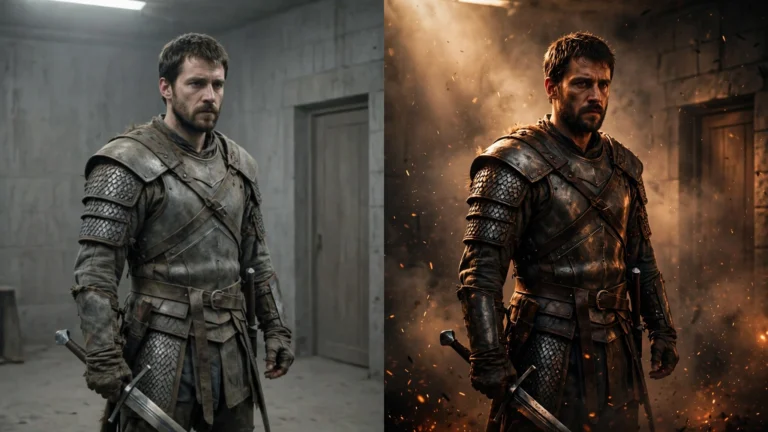

Two episodes. Seventeen scenes. One warrior, one sorcerer, a burning castle — and every single frame generated by AI in a single day.
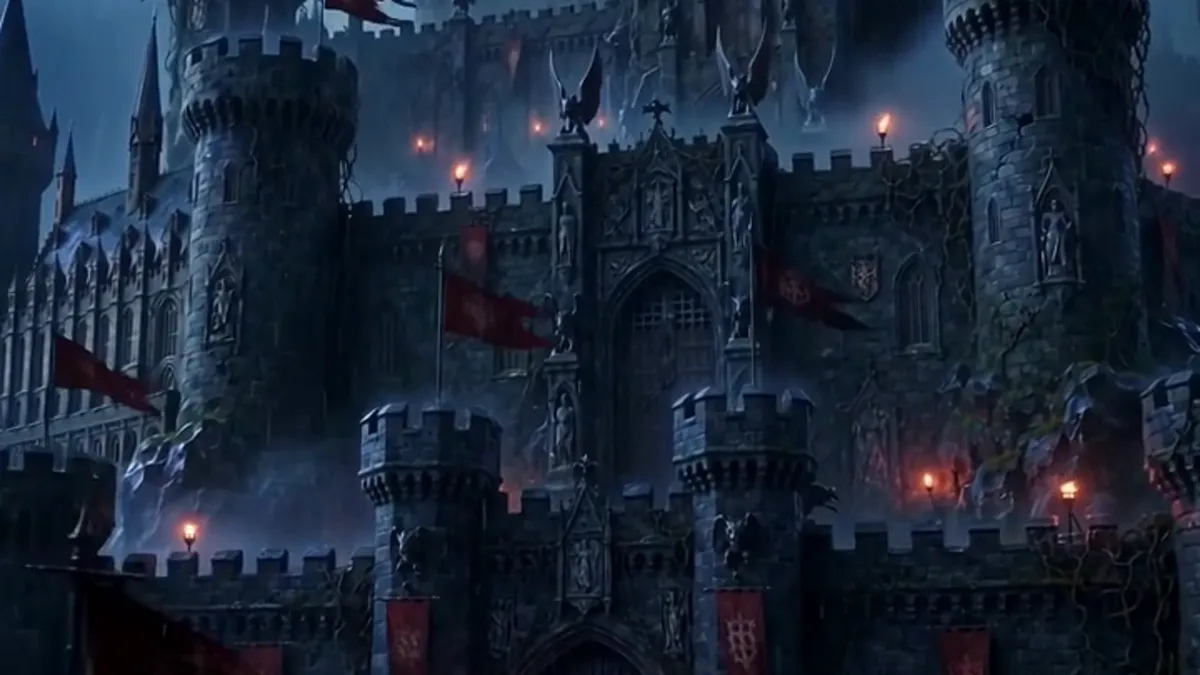
The series is called THE LAST FLAME: a dark-fantasy vertical short film about Arin, a young warrior who storms a storm-lashed castle to confront Kael, the sorcerer who destroyed his village. Episode one ends on a cliffhanger. Episode two raises the stakes with a darker Kael, a devastating magical duel, and a new masked warlord marching on the castle.
I’m going to show you exactly how it was made — the workflow, the prompts, the things that broke, and the workarounds that saved the production. If you’ve ever wondered whether AI video is actually ready for real storytelling, this is your answer: yes, with caveats, and the caveats are the interesting part.
Watch: Episode 1
The Setup: What I Was Working With
Before a single frame was generated, I locked down the creative bible — the same thing any film production does:
- Format: 9:16 vertical, built for phones. This is where the audience lives.
- Style: Photorealistic cinematic fantasy, dramatic lighting, realistic humans.
- Episode length: 60–90 seconds each, made of ~10-second clips stitched together.
- Characters: Arin (24, warrior — athletic build, shoulder-length dark brown hair, light beard, scar above his right eyebrow, worn leather armor, black cloak) and Kael (35, sorcerer — tall, muscular, long black hair, thick beard, dark robes with silver patterns, glowing blue eyes).
That character sheet turned out to be the most important document of the whole production. I’ll explain why in a moment.
The Workflow: Scene by Scene, Then Stitch
AI video generators don’t make movies. They make clips — each about ten seconds long, and that length isn’t adjustable. So the entire production method is:
- Write the script as discrete scenes, each one designed to fit in a ~10-second shot.
- Generate one clip per scene, describing the shot: who’s in it, what happens, camera movement, lighting, and even the audio mood (the generator synthesizes matching sound — rain, thunder, orchestral swells).
- Stitch the clips together into a finished episode.
Episode one followed a classic arc across nine planned scenes: the stormy castle establishing shot, Arin’s arrival, Kael’s villain reveal, their confrontation, a magic attack, Arin surviving the blast, his power awakening, the final clash, and a cliffhanger ending. Episode two picked up the story from there — I wrote it myself, which I’ll come back to.
The Hardest Problem: Keeping Characters Consistent
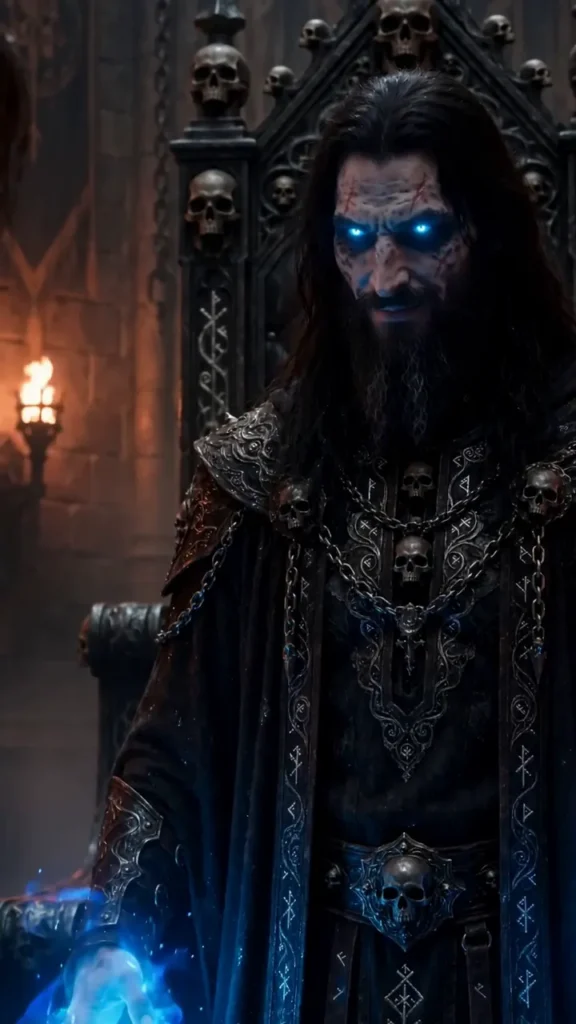
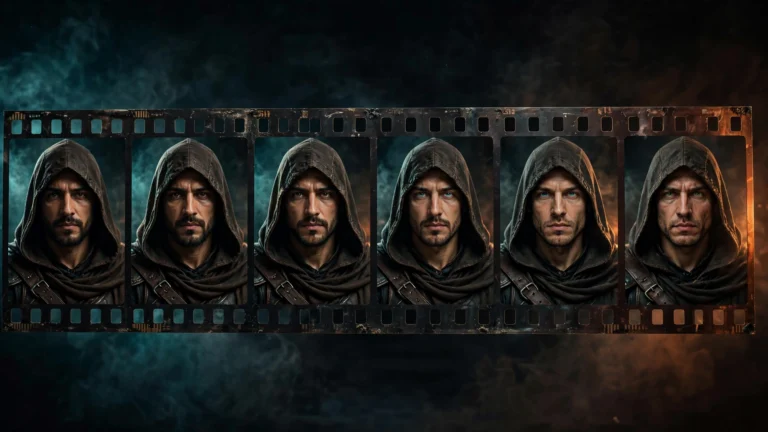
Here’s the thing nobody tells you about AI video: every clip is a fresh generation. The AI doesn’t “remember” Arin’s face from the last shot. Ask for the same character twice and you’ll get two similar-but-different people — death for any series.
The fix is a two-part discipline:
First, paste the full character description into every single prompt. Not “Arin walks in” — the entire physical description, every time: age, build, hair, beard, the scar above the right eyebrow, the armor, the cloak. Tedious, but it anchors the generation.
Second, chain each generation to the previous one. Most AI video tools let you carry visual context forward from the last clip. Each new scene starts from the visual DNA of the one before it, which keeps the castle, the lighting, and the characters far more stable than generating each shot in isolation.
It worked — mostly. Across seventeen scenes, Arin and Kael stayed recognizably themselves. “Mostly” is doing heavy lifting in that sentence, though. Faces drift slightly. Armor details shift. If you watch closely, you’ll catch it. For a vertical short film watched on a phone, it’s well within the acceptable range — but it’s the current ceiling of the technology, and you should know it going in.
What Broke (and the Workarounds That Saved It)
This is the part most AI filmmaking content skips. Three scenes refused to generate, and each one taught me something.
Episode 1, Scene 6 — “Arin survives.” The scene: Arin emerging from smoke behind a broken pillar, wiping blood from his mouth. It failed in every phrasing I tried — twice with the injury detail, once rewritten without it. Some content combinations just won’t generate, and no amount of rewording fixes it. The workaround: a dramatic title card — “ARIN RISES / FROM THE WRECKAGE” — bridging the gap between scenes. Honestly? In the final cut, it plays like an intentional stylistic beat.
Episode 2, Scene 4 — the duel. A straight physical fight scene wouldn’t generate. I rewrote it as a tense circling standoff — both fighters gathering power, neither striking yet — and it worked beautifully. Lesson: imply violence, don’t depict it. The standoff is arguably more cinematic anyway. Some of the best creative decisions in this series were forced by the tool’s limits.
Episode 2, the revelation scene. A dialogue scene where Kael reveals the truth about Arin’s village hit a technical failure. Workaround: another title card carrying the line — “YOUR VILLAGE BURNED / BECAUSE OF THE FLAME YOU CARRY.” It lands like a gut punch precisely because the film goes quiet for it.
The meta-lesson: AI filmmaking is 60% directing and 40% salvage engineering. Budget your time accordingly, and design your story with escape hatches — title cards, cutaways, and implied action are your best friends.
The Dialogue Problem (and the Honest Truth About It)
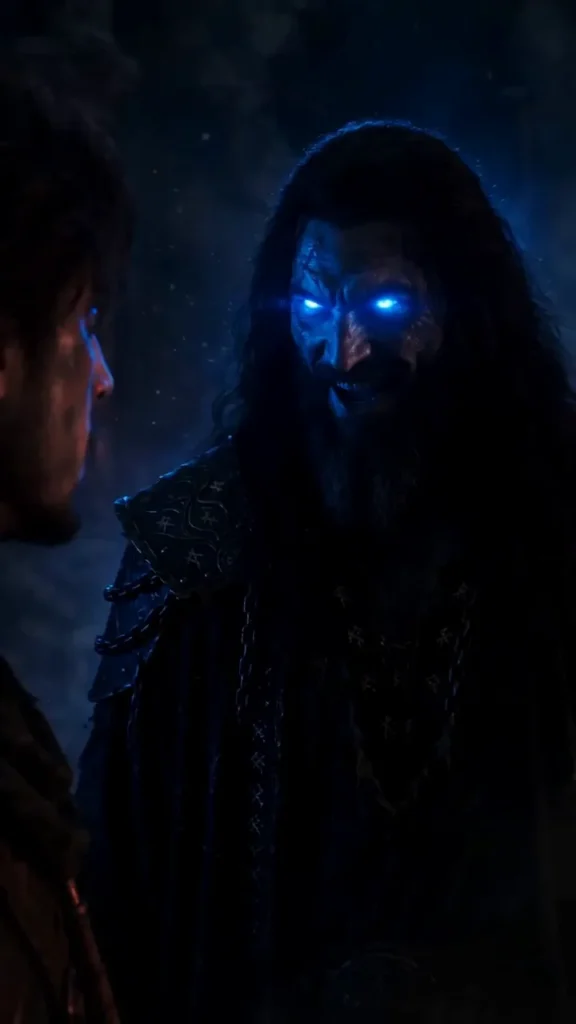
Episode one has a confrontation scene with actual dialogue — Arin snarling “You destroyed my village. Tonight, this ends.” Here’s the honest truth: there is no lip-sync. The generator produces atmospheric sound from your mood description, but mouths don’t match words. The audio sits over the video rather than coming out of it.
For short films, this is manageable: keep dialogue sparse, use it over reaction shots and wide angles, and let title cards carry the heavy lines. If you need real voiceover, generate it separately with text-to-speech and mix it in during editing. The audience forgives a lot when the visuals are striking — but don’t promise yourself a dialogue-driven drama. Not yet.
The Edit: Where It Becomes a Film
Seventeen clips don’t make a series — editing does. The assembly was straightforward: order the clips, drop in the title cards where scenes failed, trim any audio overhang, and export at 720×1280.
Total runtime: 83 seconds for episode one, 97 for episode two. Short, punchy, built for the feed — which is exactly the format this medium rewards.
What I’d Do Differently Next Time
- Write with the limits in mind from page one. No injury close-ups, no hand-to-hand combat, dialogue as seasoning not substance. Design around the guardrails instead of fighting them.
- Plan title cards as a feature, not a fallback. They worked so well as dramatic beats that episode three will use them intentionally.
- Generate establishing shots first, characters second. Lock the world’s look before introducing the people in it — it gives the chaining process a stronger foundation.
- Keep a continuity bible and update it. Every time the AI drifts a detail (a shoulder plate changes, a beard shifts), note which version won and standardize on it in future prompts.
Watch: Episode 2
The Bottom Line
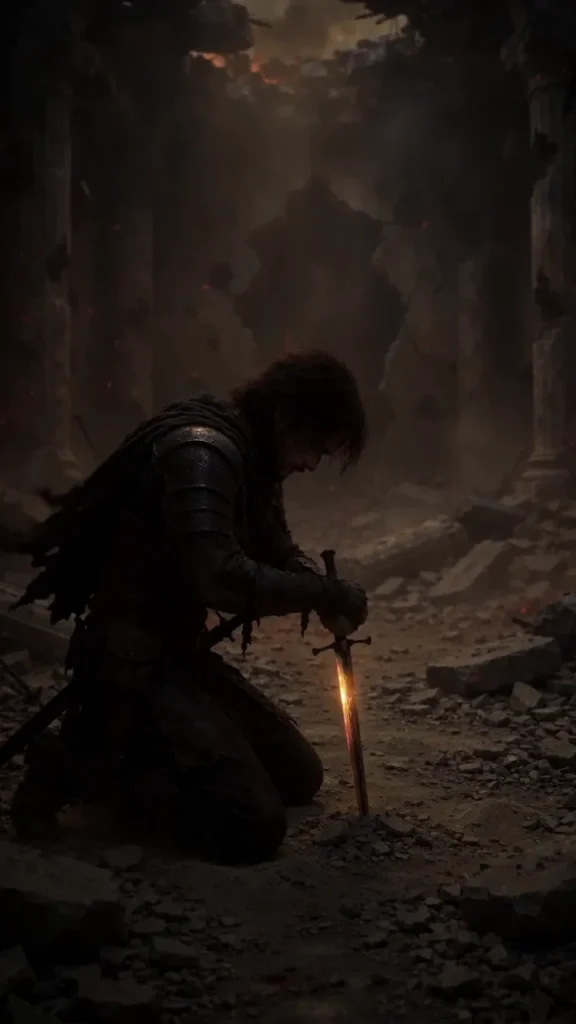
Can AI make a real short film in a day? Yes — a genuinely watchable one, with characters, arc, cliffhangers, and style. But it’s not a “type a prompt, get a movie” situation. It’s directing: you bring the story, the shot discipline, and the problem-solving, and the AI brings infinite production value at zero marginal cost.
The gap between “AI video demo” and “AI film” isn’t better models. It’s treating the process like filmmaking.
Episode three is next: the masked warlord reaches the castle gates. If you want to see how the saga — and the technique — evolves, stay tuned.
Want to make your own? Start with a character bible, write in 10-second scenes, chain every generation to the last, and keep title cards in your back pocket. The tools will keep improving — the directing is up to you.