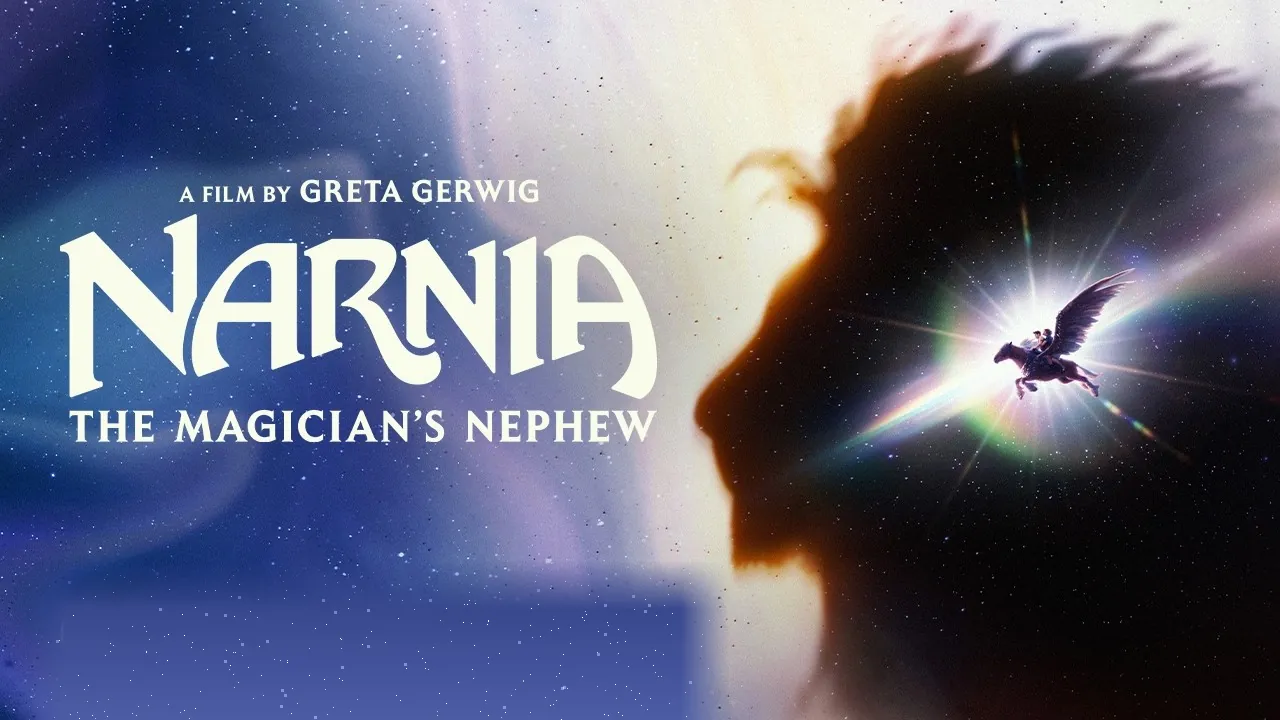

The first trailer for Greta Gerwig’s Narnia: The Magician’s Nephew landed on October 13, and it has people arguing — which, for a trailer, is the best possible outcome. This is Gerwig’s first feature since Barbie, and she chose to start Netflix’s Chronicles of Narnia not with the wardrobe but with the beginning: C.S. Lewis’s 1955 novel about how Narnia was born, never before adapted for the screen.
The trailer’s boldest choice isn’t even visual — it’s Led Zeppelin’s “Stairway to Heaven,” licensed for a film for the first time ever (Robert Plant and Jimmy Page personally said yes). But the look is just as divisive: Technicolor pools, a Bowie-glam witch, and a cosmic lion singing a world into existence. Some call it a fever dream; others are already counting to the February 12, 2027 IMAX release. Either way, here’s how to steal the visual style with AI video, shot by shot.
The look in 30 seconds
- Technicolor fantasy richness: saturated, storybook color — nothing muted, nothing grey
- Starlight gold vs pool-teal: the two signature hues — cosmic creation glows gold, the Wood Between the Worlds sits in tranquil teal-green
- 1955 period grounding: the “real world” is mid-century London — wood paneling, brass, wool coats — so the fantasy hits harder by contrast
- Portal-threshold framing: doorways, rings, pool surfaces — the camera loves the exact boundary between worlds
- Mythic scale for Aslan: the lion is never just an animal; he’s weather, cosmos, music made visible
- Glam-rock edge on the darkness: Jadis gets glitter and swagger, not just ice — Gerwig’s rock-and-roll sensibility in the villain design
Shot 1 — The wardrobe opening
The shot: The trailer’s first image — the famous wardrobe doors standing ajar, blinding light and a breath of snow streaming through the crack.
Why it works: Every Narnia adaptation starts here, and Gerwig knows it. The shot is pure threshold: one world ending at the doorframe, another beginning in the light.
The AI prompt: Photorealistic cinematic still, antique wooden wardrobe doors standing ajar in a dim 1950s room, blinding golden-white light and wisps of snow streaming through the opening crack, dust motes drifting in the light beam, sense of a threshold to another world, chiaroscuro, no text.
Tool tip: Threshold shots live or die on the light differential — push “blinding” and “dim” hard so the generator commits to the contrast.

Shot 2 — The magic rings
The shot: A close-up of the small colored rings — green and yellow — that carry Digory and Polly between worlds, resting on Uncle Andrew’s arcane parchment.
Why it works: The smallest objects carry the biggest magic. The trailer treats the rings like holy relics, and the macro framing makes the audience lean in.
The AI prompt: Photorealistic cinematic still, extreme close-up of two small colored rings, one green and one yellow, resting on aged parchment covered in arcane sketches and symbols, eccentric magician’s desk with brass instruments blurred in background, warm lamplight, mysterious occult mood, shallow depth of field, no text.
Tool tip: Macro shots need the surface described (parchment, sketches) as much as the subject — generators fill unspecified backgrounds with mush.

Shot 3 — The Wood Between the Worlds
The shot: An endless tranquil glade filled with perfectly still mirror-pools stretching to the horizon, two tiny child silhouettes at one pool’s edge.
Why it works: It’s the calmest image in a maximalist trailer — and therefore the most memorable. Stillness reads as sacred when everything else moves.
The AI prompt: Photorealistic cinematic still, endless tranquil forest glade filled with perfectly still mirror-like pools stretching to the horizon, lush green canopy overhead, soft diffused daylight, two tiny distant child silhouettes standing at one pool’s edge, serene and sacred stillness, symmetrical reflections, no text.
Tool tip: For mirror-pool shots, add “symmetrical reflections” explicitly — otherwise ripples creep in and the sacred stillness breaks.

Shot 4 — Jadis in the ruins of Charn
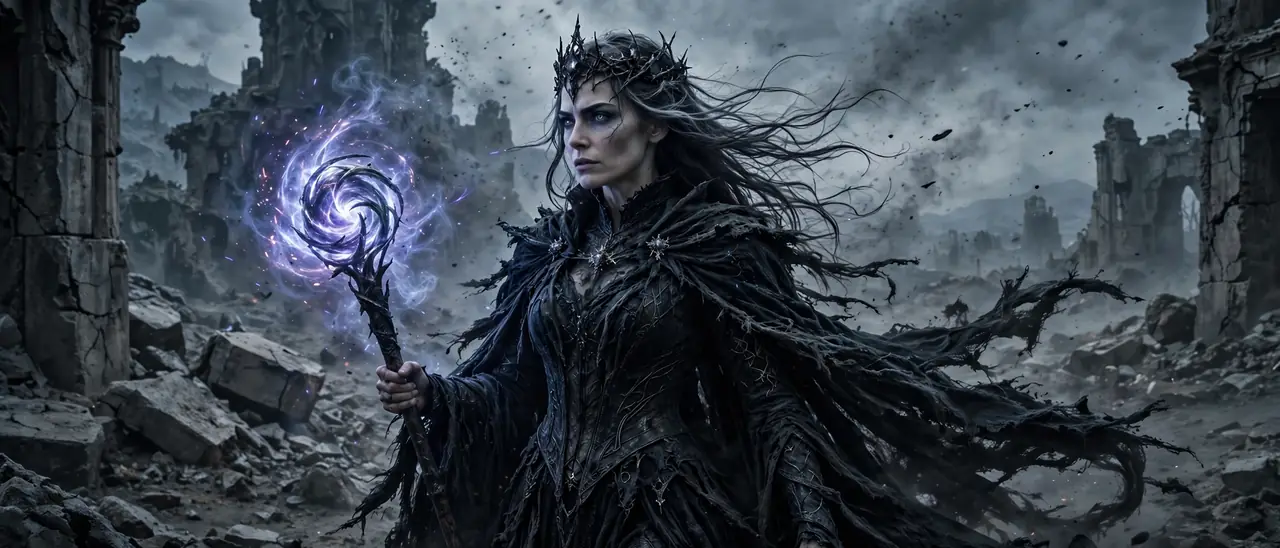
The shot: The future White Witch standing amid the crumbling ruins of her dead world — ash-grey sky, cracked stone, tattered dark regalia whipping in the wind.
Why it works: Gerwig gives us the villain’s wasteland before her face. Ruin on this scale tells you everything about who destroyed it.
The AI prompt: Photorealistic cinematic still, imposing sorceress queen with an original fictional face standing amid vast crumbling ruins of a dead world, cracked stone architecture stretching to the horizon, ash-grey sky, tattered dark regal garments whipping in a cold wind, devastating quiet power, desaturated cold palette, no text.
Tool tip: Keep the face original and let the environment do the villain work — ruined-world prompts carry more menace than any expression.
Shot 5 — Fledge takes flight
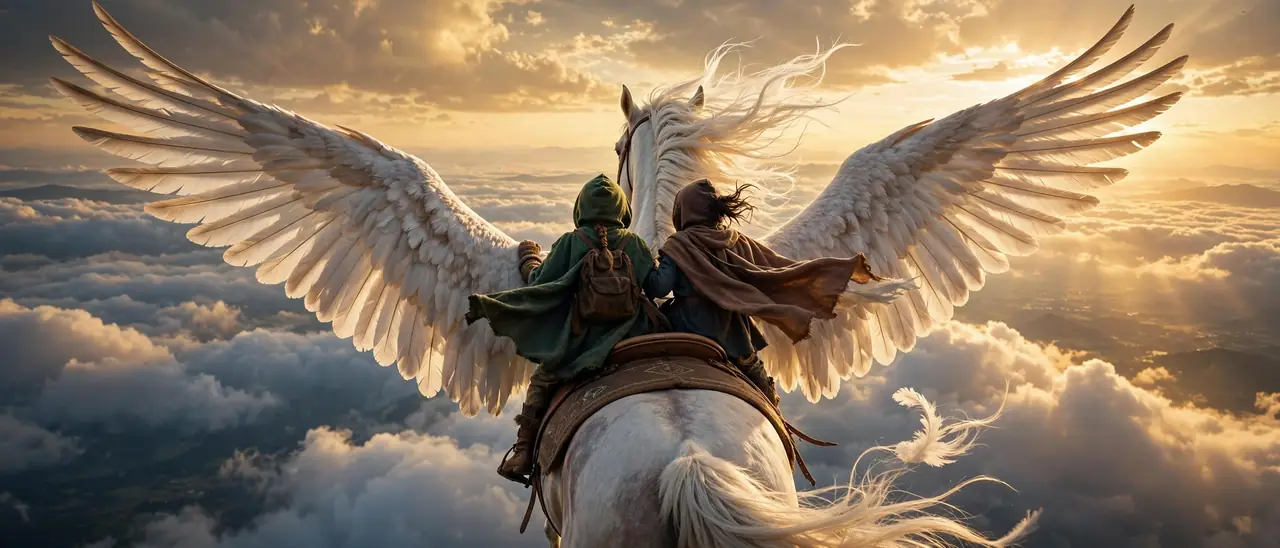
The shot: The winged horse soaring above the clouds at golden hour, two small riders seen from behind, wind in mane and feathers.
Why it works: It’s the trailer’s pure-joy beat. After dread and cosmic weight, flight is release — and shooting the riders from behind makes the audience the passenger.
The AI prompt: Photorealistic cinematic still, magnificent winged horse soaring above a sea of clouds at golden hour, two small child riders seen from behind with faces not visible, wind streaming through mane and feathers, vast glowing skyscape, sense of wonder and freedom, epic wide composition, no text.
Tool tip: “Seen from behind, faces not visible” solves two problems at once — likeness risk and the generator’s struggle with small distant faces.
Shot 6 — Aslan’s cosmic silhouette
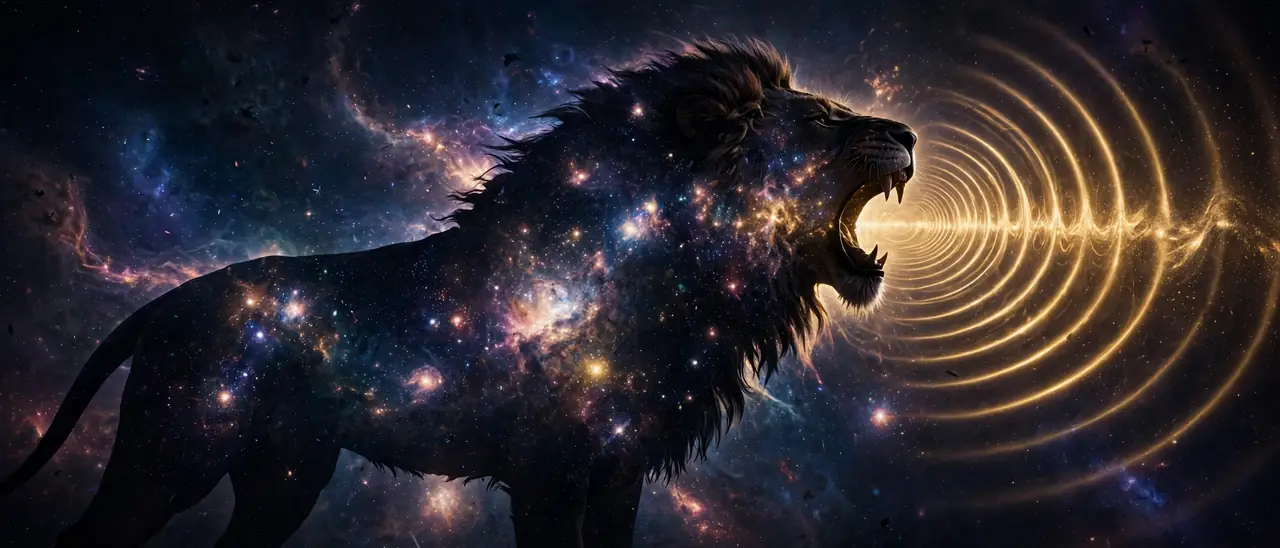
The shot: The trailer’s closing image — a colossal lion’s outline formed of stars and nebulae, mid-roar, singing Narnia into being.
Why it works: A lion made of cosmos is the whole film in one frame: the natural and the divine at once. It’s the image everyone will remember.
The AI prompt: Photorealistic cinematic still, colossal lion’s silhouette formed entirely of stars and glowing nebulae against deep space, captured mid-roar with visible ripples of golden light radiating outward like sound waves, cosmic creation moment, awe-inspiring scale, deep blacks and radiant gold, no text.
Tool tip: Sound-made-visible is hard for stills — “ripples radiating outward like sound waves” gives the generator a concrete visual metaphor to render.
Shot 7 — Uncle Andrew’s study, 1955
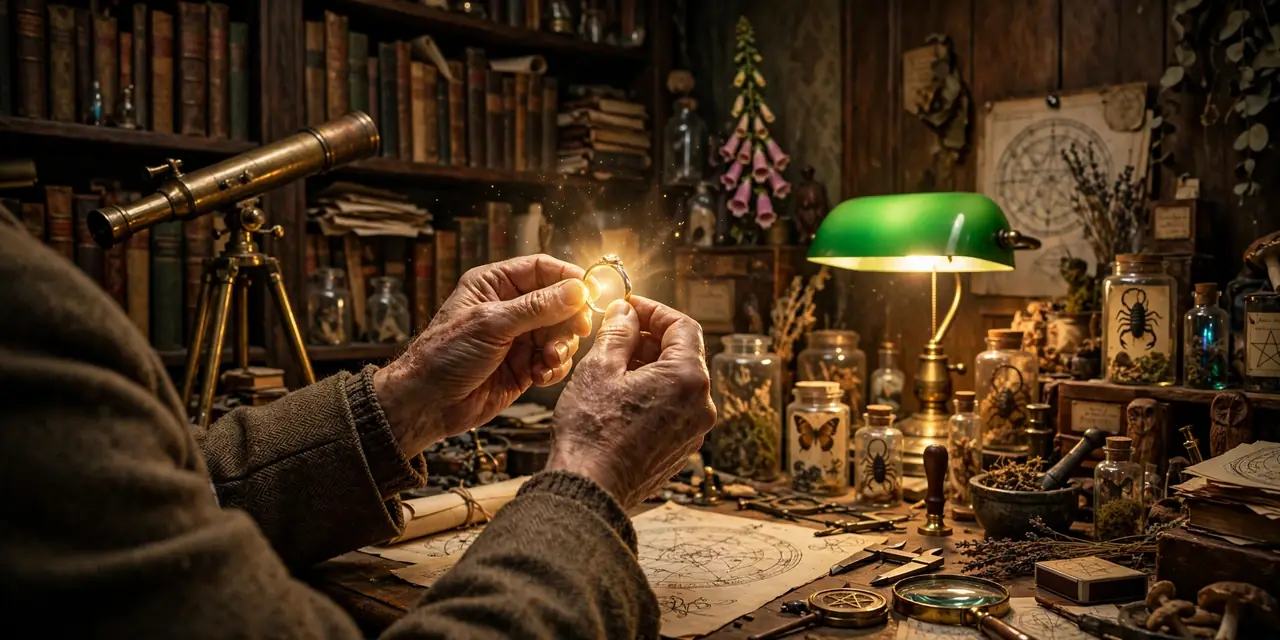
The shot: The eccentric magician’s cluttered study — towering bookshelves, brass telescopes, specimen jars, a banker’s lamp — his hands holding a faintly glowing ring.
Why it works: The 1955 period detail grounds the fantasy. Magic feels stranger in a world of wool coats and telephones than in a castle.
The AI prompt: Photorealistic cinematic still, cluttered 1955 eccentric magician’s study, towering dark bookshelves, brass telescopes and specimen jars, green-shaded banker’s lamp casting warm pools of light, an older gentleman’s hands holding a faintly glowing ring in the foreground with his face out of frame, Victorian-occult meets mid-century mood, rich shadows, no text.
Tool tip: Keeping the face out of frame is a feature, not a dodge — hands-plus-object close-ups are more mysterious and sidestep likeness entirely.
Shot 8 — The stars ignite
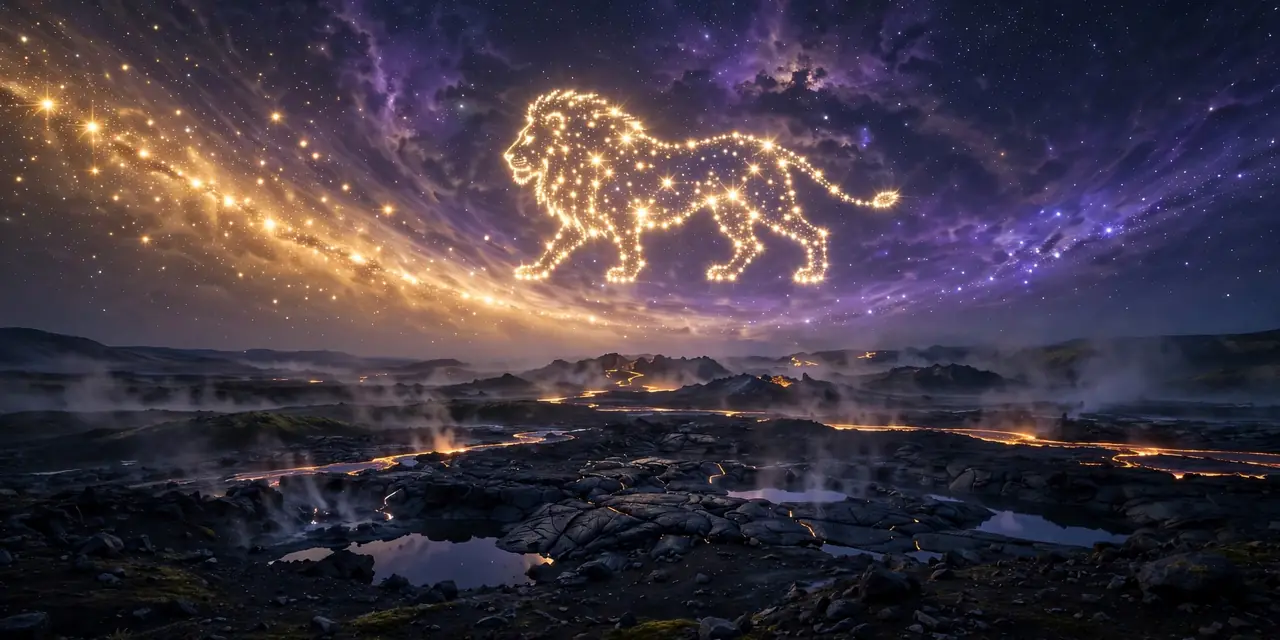
The shot: Night over a dark newborn landscape as stars catch light one by one in a sweeping wave of gold and violet, a lion-shaped constellation blazing at the center.
Why it works: Creation as a visual sequence — not a bang but a wave. The trailer scores it to the “Stairway” climax, and the image earns the music.
The AI prompt: Photorealistic cinematic still, night sky above a dark newborn landscape as stars ignite one by one in a sweeping wave of gold and violet light, a blazing lion-shaped constellation dominant at the center, the birth of a world, epic yet quiet, deep space blacks against radiant starfire, no text.
Tool tip: Sequential-action prompts (“ignite one by one in a sweeping wave”) work better as short video clips — generate 5 seconds and let the wave actually move.
Steal this style — copy-paste prompt pack
- “Technicolor storybook fantasy, starlight gold and tranquil pool-teal palette, portal-threshold framing, photorealistic cinematic still”
- “1955 period London grounding for fantasy: wood paneling, brass instruments, wool coats, warm lamplight against otherworldly glow”
- “Cosmic creation imagery: lion constellation in nebulae, stars igniting in waves of gold and violet, awe-inspiring scale”
- “Glam-rock fantasy villainy: glittering dark regalia, ruined world backdrop, swaggering menace, cold desaturated palette”
What AI still can’t nail
The honest part. The trailer’s most argued-over choices are human ones no generator can make: Meryl Streep voicing Aslan (a lion with her cadence), Emma Mackey’s specific take on Jadis, the sheer audacity of scoring Narnia to Led Zeppelin. AI can render you a cosmic lion and a mirror-pool glade all day — it cannot cast, and it should not try to recreate these actors’ faces. The period detail is the other trap: 1955 London has a thousand small tells (Bakelite phones, specific tailoring), and generators will happily invent the wrong decade. Use AI for the look — the pools, the stars, the thresholds — and keep the judgment, and the casting, human.
Want to direct your own version? Build the prompt shot by shot in the free AI Film Prompt Director.